Loan Programs
Redwood Mortgage Services provides home financing options for homebuyers, homeowners, and real estate investors in Annapolis, Anne Arundel County, and throughout the states where we are licensed. Explore conventional, FHA, VA, USDA, jumbo, construction, investment property, and specialized mortgage programs to learn which financing options may fit your needs.
These materials are not from HUD or FHA and were not approved by HUD or a government agency.
Conventional Loans
Conventional loans are a popular financing option for homebuyers and homeowners and can be used for a home purchase or refinance. Depending on the loan program and borrower qualifications, conventional financing may offer a variety of down payment and term options. Private mortgage insurance may be required when the down payment is less than 20%. Eligibility, loan limits and other requirements vary based on the borrower, property and loan program.

FHA Loans
FHA loans are government-insured mortgages that can provide flexible financing options for eligible homebuyers. FHA financing may allow a down payment as low as 3.5% for qualifying borrowers and can offer more flexible credit guidelines than some conventional loan programs. FHA loans may be used by first-time and repeat homebuyers and are available for eligible primary residences that meet FHA requirements. Mortgage insurance is required, and loan limits and qualification requirements apply.

VA Loans
VA loans are government-backed mortgages available to eligible Veterans, active-duty service members, certain National Guard and Reserve members, and some surviving spouses. VA financing may allow eligible borrowers to purchase a primary residence with no down payment, subject to VA and lender requirements and the property's appraised value. VA loans do not require monthly private mortgage insurance, and the VA does not establish a universal minimum credit score, although individual lenders may have their own requirements. A VA funding fee may apply unless the borrower qualifies for an exemption.

USDA Loans
USDA loans are government-backed mortgages designed to help eligible borrowers purchase homes in qualifying rural areas. The USDA Single Family Housing Guaranteed Loan Program may provide up to 100% financing with no down payment for qualified borrowers. Household income and property-location requirements apply, and the home must generally be used as the borrower's primary residence. USDA loans are not limited to first-time homebuyers and can provide an affordable financing option for eligible buyers in qualifying communities.


Reverse Loans
Reverse mortgages are designed for eligible homeowners age 62 and older who want to access a portion of their home equity. A Home Equity Conversion Mortgage (HECM) is a federally insured reverse mortgage that may allow qualified homeowners to receive funds without required monthly principal and interest payments. Borrowers must continue to meet loan obligations, including paying property taxes, maintaining homeowners insurance, keeping the home in good condition, and occupying it as their primary residence. The loan generally becomes due when the last borrower dies, sells the property, or no longer meets the loan requirements. Eligibility, counseling, and other program requirements apply.

DSCR Loans
DSCR (Debt Service Coverage Ratio) loans are designed for real estate investors and generally qualify the loan based primarily on the rental property's cash flow rather than the borrower's personal income. This can make DSCR financing useful for investors purchasing or refinancing eligible rental properties. Qualification requirements, including the property's debt service coverage ratio, down payment or equity, credit, reserves and property eligibility, vary by lender and loan program.

Construction Loans
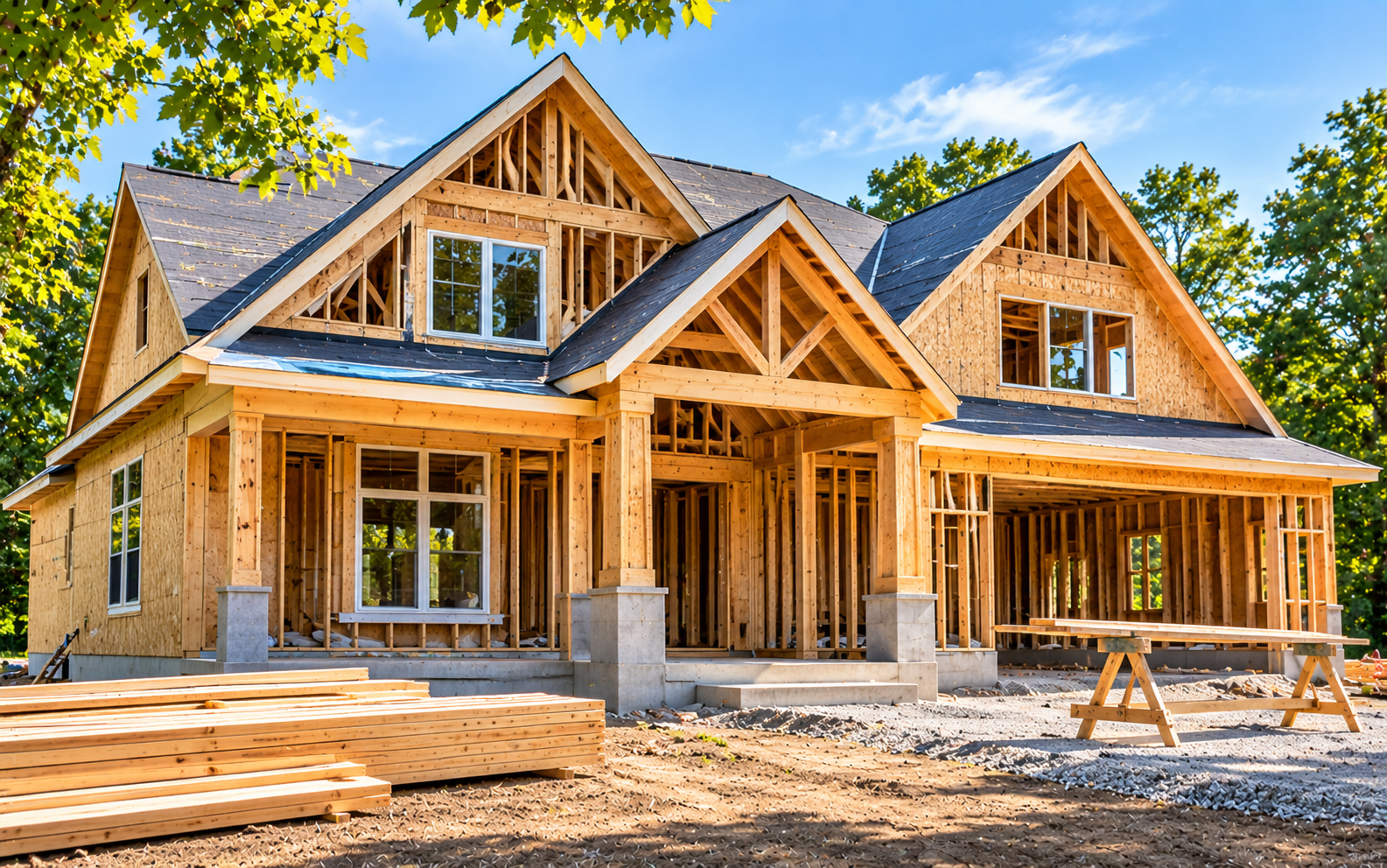
Construction-to-Permanent loans provide financing to build a new home while combining the construction financing and permanent mortgage into a single loan. Funds are generally disbursed in stages as construction progresses, and borrowers typically make payments based on the funds that have been advanced during the construction period. Once construction is complete, the loan transitions to permanent financing without requiring a separate mortgage closing. Program requirements, down payment, builder approval and other qualifications apply.
Non-QM Loans
Non-QM (Non-Qualified Mortgage) loans provide alternative financing options for borrowers whose financial circumstances may not fit traditional conventional loan guidelines. Depending on the program, qualification may use alternative documentation such as personal or business bank statements, asset-based income or rental property cash flow rather than traditional income documentation. Non-QM programs can be useful for self-employed borrowers, real estate investors and others with complex financial situations. Credit, down payment, reserves and other qualification requirements vary by program.

Refinance Loans
Refinancing replaces an existing mortgage with a new loan and may be considered for a variety of financial goals. Depending on the homeowner's circumstances, refinancing may be used to change the loan term or structure, obtain different financing terms, or access available home equity through a cash-out refinance. Available options may include rate-and-term refinancing and cash-out refinancing. Whether refinancing makes sense depends on factors such as current loan terms, available interest rates, closing costs, home equity and the homeowner's individual financial goals.
In some cases a refinance loan might result in higher finance charges over the life of the loan.

Bank Statement Loans
Bank Statement Loans provide an alternative mortgage financing option for self-employed borrowers, business owners, and independent contractors who may not qualify using traditional income documentation. Instead of relying solely on tax returns, these programs may use personal or business bank statements to evaluate qualifying income. Eligibility, down payment requirements, and loan terms vary by program and borrower qualifications.

Bridge Loans
Bridge Loans provide short-term financing solutions for homeowners who want to purchase a new property before selling their current home. Depending on the program, bridge financing may help borrowers access existing home equity or manage the transition between properties. Qualification depends on available equity, income, credit, and the specific loan structure.

Self-Employed Mortgage Loans
Self-Employed Mortgage Loans offer financing options for business owners, freelancers, independent contractors, and other borrowers with nontraditional income. Depending on the loan program, qualifying income may be evaluated using tax returns, bank statements, or other acceptable financial documentation. Redwood Mortgage Services helps self-employed borrowers explore conventional and alternative financing options based on their individual circumstances.

First-Time Homebuyer Loans
Buying your first home involves important decisions about down payments, closing costs, credit requirements, and monthly mortgage payments. Redwood Mortgage Services helps first-time homebuyers explore available financing options, including Conventional, FHA, VA, and USDA loans when eligible. Our goal is to help buyers understand their choices and prepare for the homebuying process with personalized guidance.

Redwood Mortgage Services provides home financing options for homebuyers, homeowners, and real estate investors in Annapolis, Anne Arundel County, and throughout the states where we are licensed. Explore conventional, FHA, VA, USDA, jumbo, construction, investment property, and specialized mortgage programs to learn which financing options may fit your needs.
These materials are not from HUD or FHA and were not approved by HUD or a government agency.
Conventional Loans
Conventional loans are a popular financing option for homebuyers and homeowners and can be used for a home purchase or refinance. Depending on the loan program and borrower qualifications, conventional financing may offer a variety of down payment and term options. Private mortgage insurance may be required when the down payment is less than 20%. Eligibility, loan limits and other requirements vary based on the borrower, property and loan program.
FHA Loans
FHA loans are government-insured mortgages that can provide flexible financing options for eligible homebuyers. FHA financing may allow a down payment as low as 3.5% for qualifying borrowers and can offer more flexible credit guidelines than some conventional loan programs. FHA loans may be used by first-time and repeat homebuyers and are available for eligible primary residences that meet FHA requirements. Mortgage insurance is required, and loan limits and qualification requirements apply.
VA Loans
VA loans are government-backed mortgages available to eligible Veterans, active-duty service members, certain National Guard and Reserve members, and some surviving spouses. VA financing may allow eligible borrowers to purchase a primary residence with no down payment, subject to VA and lender requirements and the property's appraised value. VA loans do not require monthly private mortgage insurance, and the VA does not establish a universal minimum credit score, although individual lenders may have their own requirements. A VA funding fee may apply unless the borrower qualifies for an exemption.
USDA Loans
USDA loans are government-backed mortgages designed to help eligible borrowers purchase homes in qualifying rural areas. The USDA Single Family Housing Guaranteed Loan Program may provide up to 100% financing with no down payment for qualified borrowers. Household income and property-location requirements apply, and the home must generally be used as the borrower's primary residence. USDA loans are not limited to first-time homebuyers and can provide an affordable financing option for eligible buyers in qualifying communities.
Jumbo Loans
Reverse Loans
Reverse mortgages are designed for eligible homeowners age 62 and older who want to access a portion of their home equity. A Home Equity Conversion Mortgage (HECM) is a federally insured reverse mortgage that may allow qualified homeowners to receive funds without required monthly principal and interest payments. Borrowers must continue to meet loan obligations, including paying property taxes, maintaining homeowners insurance, keeping the home in good condition, and occupying it as their primary residence. The loan generally becomes due when the last borrower dies, sells the property, or no longer meets the loan requirements. Eligibility, counseling, and other program requirements apply.
DSCR Loans
DSCR (Debt Service Coverage Ratio) loans are designed for real estate investors and generally qualify the loan based primarily on the rental property's cash flow rather than the borrower's personal income. This can make DSCR financing useful for investors purchasing or refinancing eligible rental properties. Qualification requirements, including the property's debt service coverage ratio, down payment or equity, credit, reserves and property eligibility, vary by lender and loan program.
Construction Loans
Construction-to-Permanent loans provide financing to build a new home while combining the construction financing and permanent mortgage into a single loan. Funds are generally disbursed in stages as construction progresses, and borrowers typically make payments based on the funds that have been advanced during the construction period. Once construction is complete, the loan transitions to permanent financing without requiring a separate mortgage closing. Program requirements, down payment, builder approval and other qualifications apply.
Non-QM Loans
Non-QM (Non-Qualified Mortgage) loans provide alternative financing options for borrowers whose financial circumstances may not fit traditional conventional loan guidelines. Depending on the program, qualification may use alternative documentation such as personal or business bank statements, asset-based income or rental property cash flow rather than traditional income documentation. Non-QM programs can be useful for self-employed borrowers, real estate investors and others with complex financial situations. Credit, down payment, reserves and other qualification requirements vary by program.
Refinance Loans
Refinancing replaces an existing mortgage with a new loan and may be considered for a variety of financial goals. Depending on the homeowner's circumstances, refinancing may be used to change the loan term or structure, obtain different financing terms, or access available home equity through a cash-out refinance. Available options may include rate-and-term refinancing and cash-out refinancing. Whether refinancing makes sense depends on factors such as current loan terms, available interest rates, closing costs, home equity and the homeowner's individual financial goals.
In some cases a refinance loan might result in higher finance charges over the life of the loan.
Bank Statement Loans
Bank Statement Loans provide an alternative mortgage financing option for self-employed borrowers, business owners, and independent contractors who may not qualify using traditional income documentation. Instead of relying solely on tax returns, these programs may use personal or business bank statements to evaluate qualifying income. Eligibility, down payment requirements, and loan terms vary by program and borrower qualifications.
Bridge Loans
Bridge Loans provide short-term financing solutions for homeowners who want to purchase a new property before selling their current home. Depending on the program, bridge financing may help borrowers access existing home equity or manage the transition between properties. Qualification depends on available equity, income, credit, and the specific loan structure.
Self-Employed Mortgage Loans
Self-Employed Mortgage Loans offer financing options for business owners, freelancers, independent contractors, and other borrowers with nontraditional income. Depending on the loan program, qualifying income may be evaluated using tax returns, bank statements, or other acceptable financial documentation. Redwood Mortgage Services helps self-employed borrowers explore conventional and alternative financing options based on their individual circumstances.
First-Time Homebuyer Loans
Buying your first home involves important decisions about down payments, closing costs, credit requirements, and monthly mortgage payments. Redwood Mortgage Services helps first-time homebuyers explore available financing options, including Conventional, FHA, VA, and USDA loans when eligible. Our goal is to help buyers understand their choices and prepare for the homebuying process with personalized guidance.
Not Sure Which Mortgage Program Fits Your Needs?
Whether you're buying your first home, refinancing, building a custom home, or financing an investment property, Redwood Mortgage Services can help you explore your options. Since 1999, we've assisted homebuyers and homeowners in Annapolis, Anne Arundel County, and throughout the states where we're licensed.
With conventional, FHA, VA, USDA, jumbo, construction, and specialized mortgage programs available, our goal is to help you understand your financing choices and make informed decisions.